Humic Acid
Liquid Fertilizer
High-Concentration Humic & Fulvic Acid Complex
Derived from premium leonardite, our humic acid liquid fertilizer transforms soil health from the ground up. Improves soil structure, enhances nutrient availability, and stimulates the microbial ecosystem that drives sustainable crop productivity.
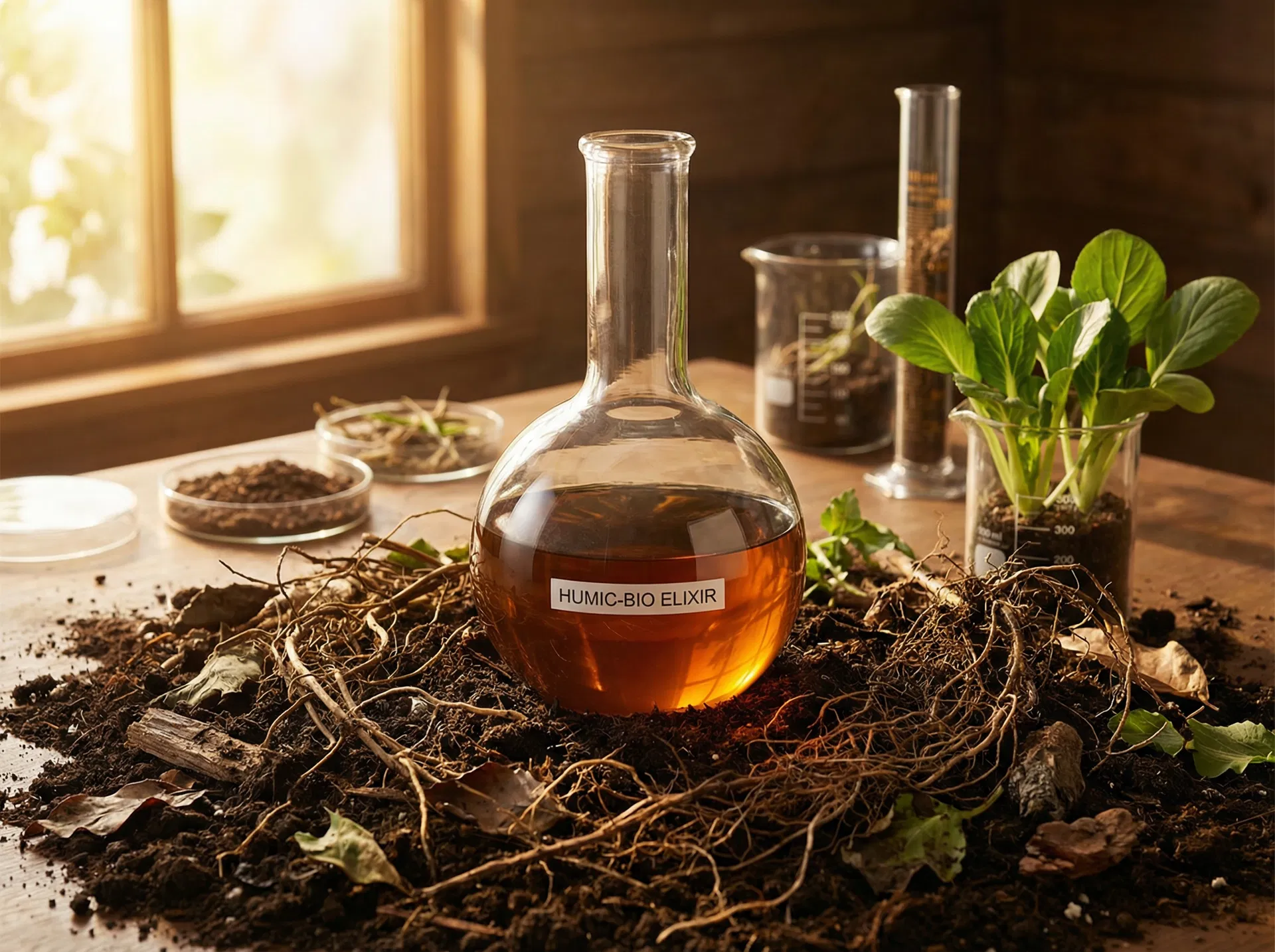
How Humic Acid Improves Soil Health and Fertilizer Efficiency
Humic acid is one of the most scientifically validated soil amendments in modern agriculture. Derived from leonardite — a naturally occurring mineral deposit formed from ancient plant matter over millions of years — humic acid contains a complex mixture of humic substances that fundamentally improve how soil functions as a growing medium for crops.
The primary mechanism of humic acid is nutrient chelation: humic acid molecules bind to positively charged mineral ions (iron, zinc, manganese, copper, calcium) and hold them in a plant-available form. In alkaline soils (pH > 7.0), these micronutrients typically precipitate into insoluble compounds that plant roots cannot absorb. Humic acid prevents this precipitation, effectively unlocking nutrients that are already present in the soil but unavailable to plants.
For farmers growing mango, banana, coffee, and vegetables in tropical soils, humic acid addresses some of the most common and costly soil problems: compaction, poor water retention, micronutrient deficiency, and low microbial activity. Regular humic acid applications over 2–3 seasons can transform degraded tropical soils into productive, fertile growing environments.
Humic acid also significantly improves the efficiency of other fertilizers. Research shows that humic acid reduces nitrogen leaching by 20–40% by forming stable complexes with ammonium ions, keeping nitrogen in the root zone longer. It also improves phosphorus availability by preventing phosphorus fixation in iron- and aluminum-rich tropical soils. The practical result is that farmers using humic acid can reduce their NPK fertilizer inputs by 20–30% while maintaining or improving yields — a significant cost saving for commercial operations.
Our liquid humic acid fertilizer is derived from high-grade leonardite with a minimum humic acid content of 12% and fulvic acid content of 3% on a dry basis. It is 100% water-soluble and compatible with all drip irrigation systems, making it easy to integrate into existing fertigation programs alongside seaweed extract and NPK liquid fertilizer.
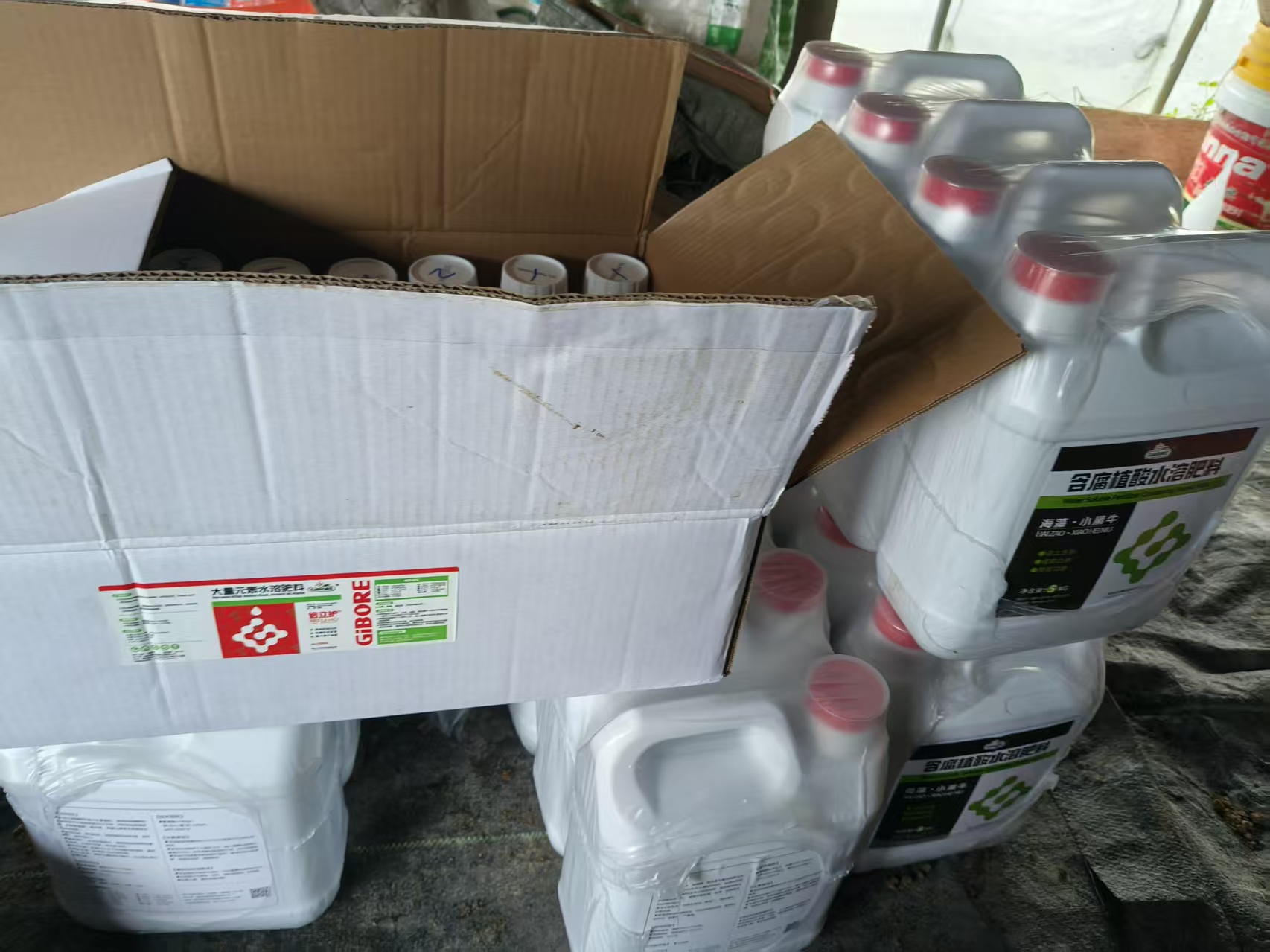
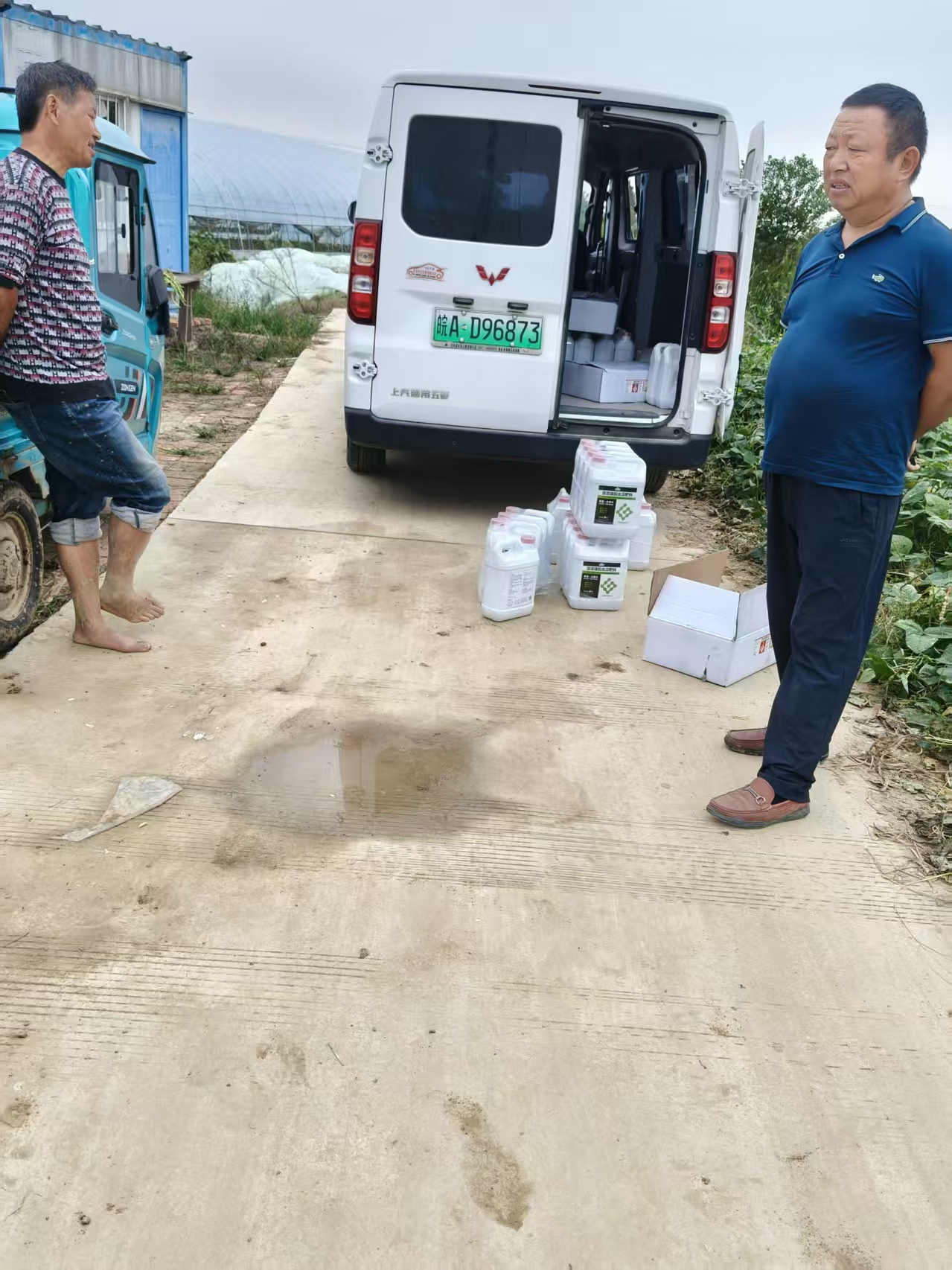
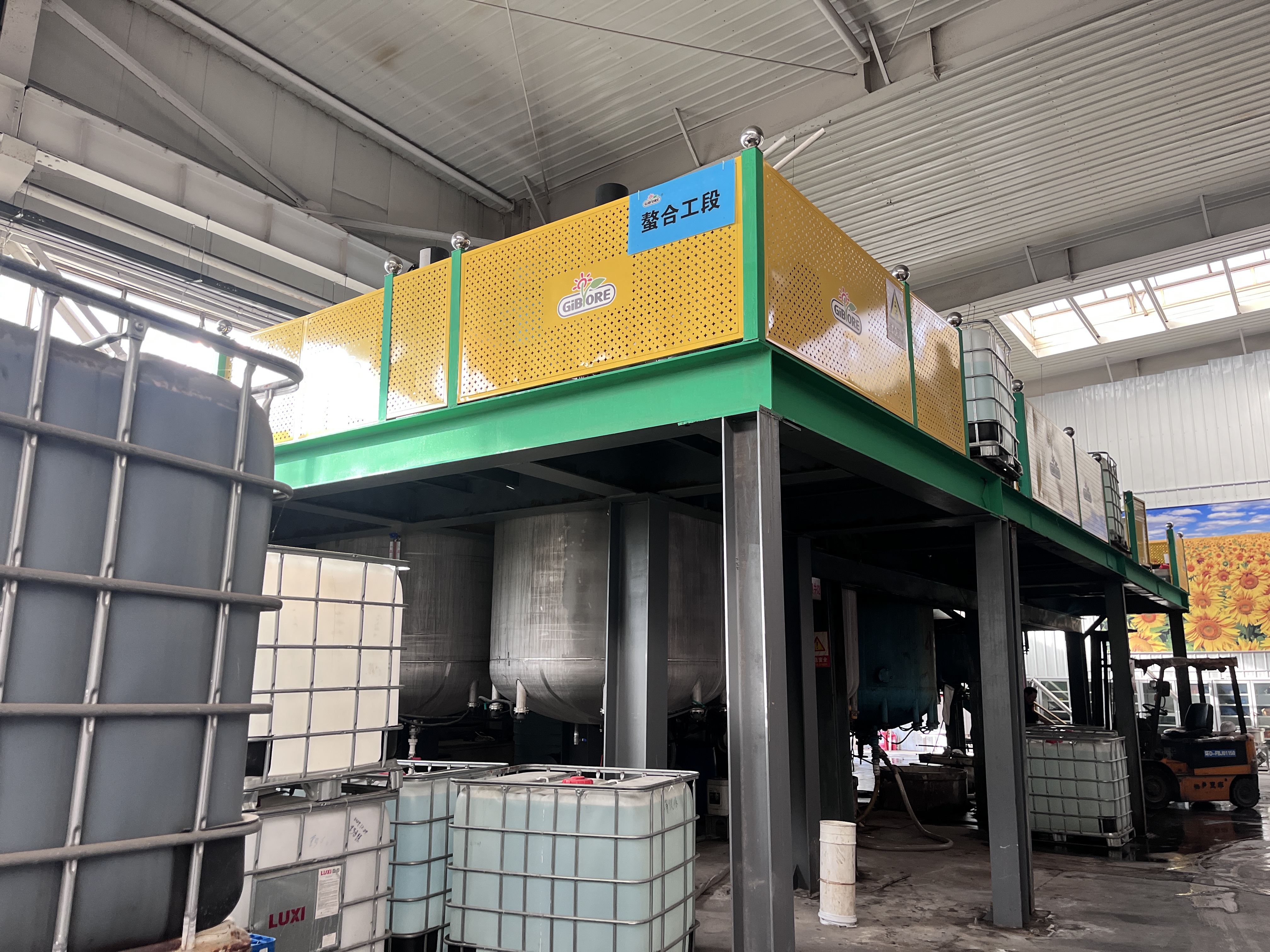
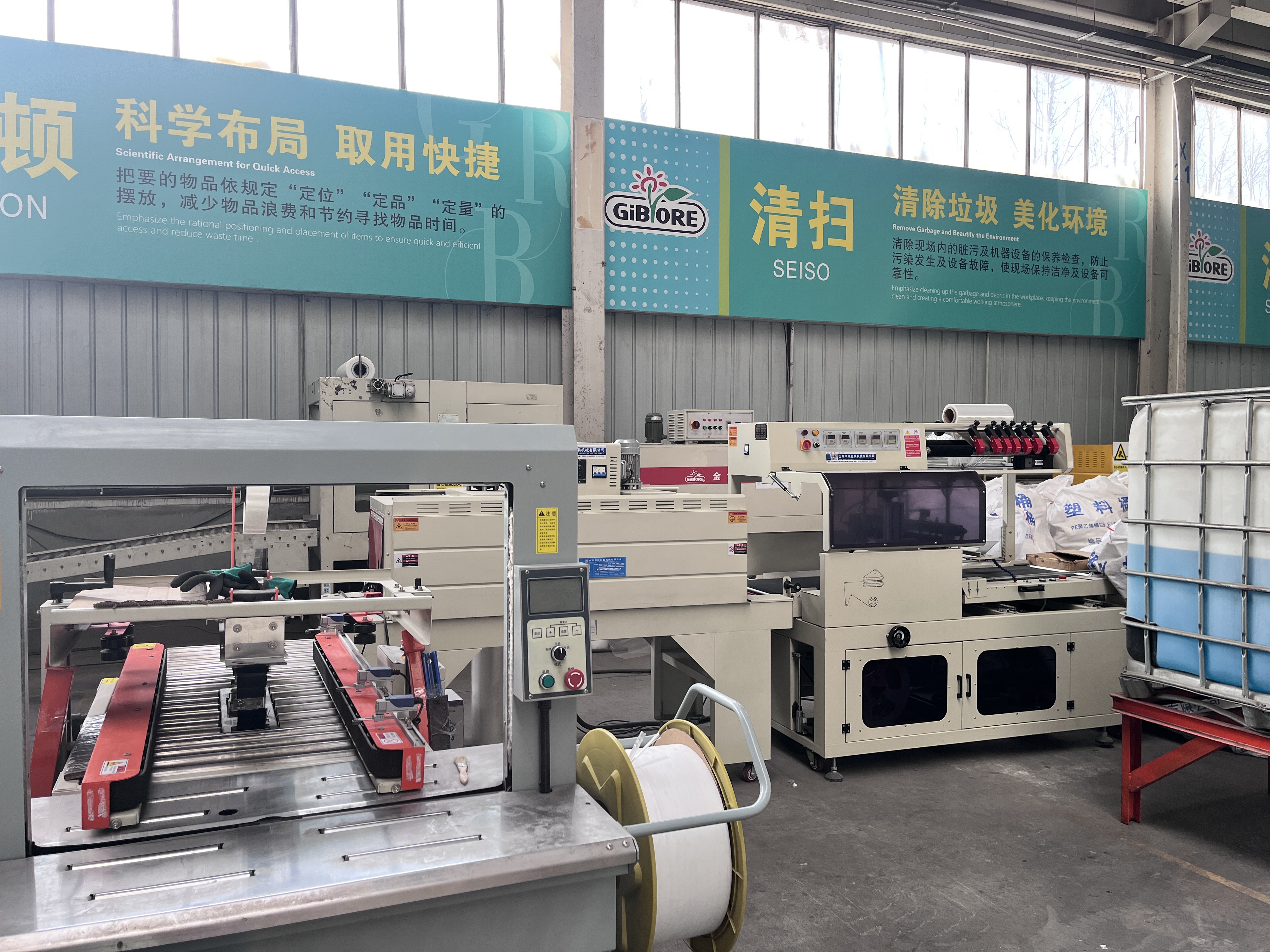
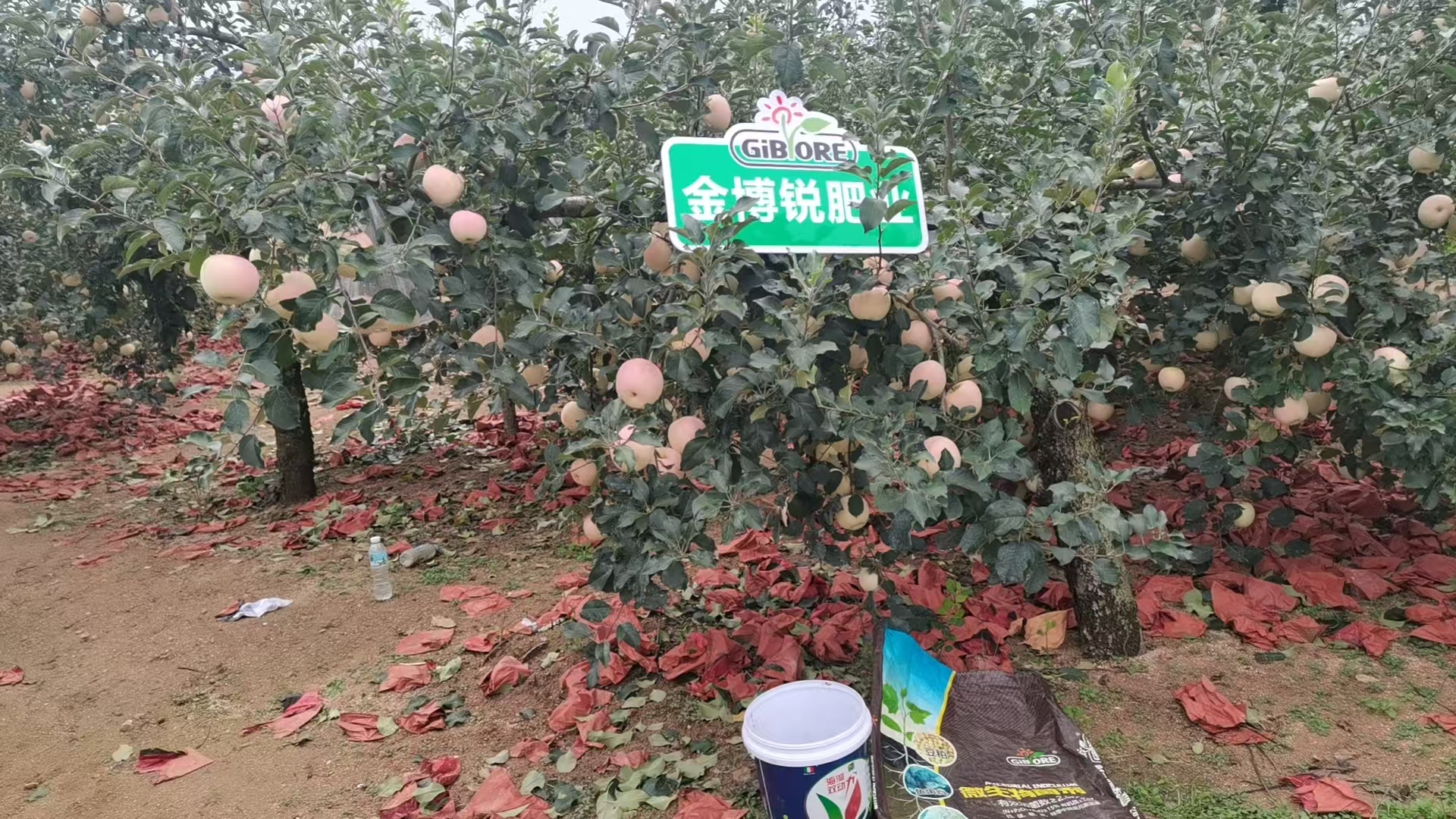
Product, Packaging & Factory Gallery
Real photos from our Qingdao manufacturing facility and customer farms


Key Benefits
Humic acid is the cornerstone of soil health. Here's how it transforms your farm's productivity.
Soil Structure Improvement
Humic acids bind soil particles into stable aggregates, improving aeration, water retention, and drainage simultaneously.
Nutrient Chelation
Chelates iron, zinc, manganese, and other micronutrients, keeping them available to plants even in alkaline soils.
Microbial Stimulation
Provides carbon energy source for beneficial bacteria and fungi, building a thriving soil food web.
Root Proliferation
Fulvic acid fraction stimulates root hair development and increases root surface area for enhanced nutrient uptake.
pH Buffering
Helps buffer soil pH toward the optimal 6.0-7.0 range, reducing the negative effects of soil acidification or alkalinity.
Fertilizer Efficiency
Reduces nitrogen leaching and improves phosphorus availability, allowing you to use 20-30% less chemical fertilizer.
Technical Specifications
GreenGrow Humic Acid Liquid Fertilizer — Technical Data Sheet
| Raw Material | Leonardite (high-grade) |
| Humic Acid Content | ≥ 12% (dry basis) |
| Fulvic Acid Content | ≥ 3% (dry basis) |
| Potassium (K₂O) | ≥ 3% |
| Organic Matter | ≥ 20% |
| pH | 9.0 – 11.0 |
| Appearance | Dark brown to black liquid |
| Solubility | 100% water soluble |
| Density | 1.10 – 1.20 g/mL |
| Shelf Life | 2 years (sealed container) |
Application Guide
| Crop / Use Case | Application Rate | Timing | Method |
|---|---|---|---|
| All Tropical Fruits | 5-10 L/ha | Pre-season soil prep | Soil Drench / Drip |
| Coffee | 8-12 L/ha | Monthly throughout season | Drip Irrigation |
| Banana | 6-8 L/ha | Planting + monthly | Drip Irrigation |
| Vegetables | 4-6 L/ha | Every 2-3 weeks | Drip / Soil Drench |
| Rice & Cereals | 5 L/ha | Pre-planting + tillering | Soil Incorporation |
| Degraded Soils | 15-20 L/ha | Intensive restoration program | Soil Drench |
How to Use
Dilute
Dilute 1:200 to 1:500 with clean water depending on application method. Always add humic acid to water, not water to concentrate.
Apply
Apply through drip irrigation, soil drench, or foliar spray. For drip systems, flush lines with clean water after application.
Repeat
Apply every 2-4 weeks throughout the growing season. Increase frequency during periods of high crop demand or soil stress.
Packaging & OEM Options
Humic Acid Fertilizer — Common Questions
What does humic acid fertilizer do for plants?
Humic acid fertilizer improves soil structure, increases nutrient availability, stimulates root development, and enhances beneficial microbial activity. It chelates micronutrients like iron, zinc, and manganese, keeping them plant-available even in alkaline soils. It also reduces nitrogen leaching and improves phosphorus availability, allowing farmers to reduce chemical fertilizer inputs by 20–30% while maintaining or improving yields.
What is the difference between humic acid and fulvic acid?
Humic acid and fulvic acid are both components of humus — the organic fraction of soil. Humic acid is a larger molecule that primarily improves soil structure, water retention, and microbial activity. Fulvic acid is a smaller, more mobile molecule that penetrates plant cell membranes and stimulates root development and nutrient uptake. Our liquid humic acid fertilizer contains both fractions (≥12% humic acid and ≥3% fulvic acid) for comprehensive soil and plant benefits.
How do I apply liquid humic acid fertilizer?
Liquid humic acid fertilizer can be applied via drip irrigation (diluted 1:200–400), foliar spray (diluted 1:500–800), or soil drench (diluted 1:300–500). For soil improvement, apply 5–10 L/ha via drip or soil drench every 2–4 weeks during the growing season. For intensive soil restoration in degraded soils, apply 15–20 L/ha at the start of the season. Humic acid can be mixed with most liquid NPK fertilizers and seaweed extracts.
Can humic acid improve soil pH?
Yes — humic acid has a natural pH buffering effect that helps move soil pH toward the optimal 6.0–7.0 range for most crops. In alkaline soils (pH > 7.5), humic acid helps release locked phosphorus and micronutrients. In acidic soils (pH < 5.5), it buffers against further acidification and supports beneficial microbial populations. Regular humic acid applications over 2–3 seasons can significantly improve soil pH stability.
Is humic acid fertilizer safe for all crops?
Yes — humic acid fertilizer is safe for all crops including fruits, vegetables, cereals, and cash crops. It is derived from natural leonardite (a naturally occurring mineral deposit) and does not contain synthetic chemicals. It is compatible with organic farming systems and can be used alongside conventional fertilizers, pesticides, and biostimulants. There is no risk of over-application at recommended rates.
See This Product in Action — Crop Solutions
Request a Sample or Quote
Experience the soil transformation with a free sample of our Humic Acid Liquid Fertilizer.