🏡 Greenhouse
Fertilizer Solution
Precision Liquid Fertilizer for Controlled-Environment Agriculture
Greenhouse crops demand exact nutrient delivery — no waste, no residue, no guesswork. GreenGrow's fully water-soluble liquid fertilizer programs are engineered for drip, NFT, and hydroponic systems, giving you complete control over EC, pH, and nutrient ratios at every growth stage.
Why Greenhouse Farmers Choose Liquid Fertilizer Over Granular
Greenhouse farming represents the highest-intensity form of crop production in the world. A single square meter of greenhouse space can generate 10–20× the revenue of open-field agriculture — but only if the crop receives precisely the right nutrients at exactly the right time. Granular fertilizers, designed for broadcast application across open fields, are fundamentally incompatible with this precision requirement.
Liquid fertilizers dissolve completely in water, allowing greenhouse operators to dial in exact EC (electrical conductivity) and pH values for each crop variety and growth stage. This level of control is impossible with granular products, which release nutrients unpredictably depending on soil moisture, temperature, and microbial activity. In a greenhouse where every input cost is magnified by the intensity of production, nutrient waste is not just inefficient — it is economically damaging.
GreenGrow's greenhouse liquid fertilizer range is formulated specifically for closed-loop and semi-closed irrigation systems. Every product is 100% water-soluble with zero insoluble residues, meaning no clogged drip emitters, no blocked NFT channels, and no precipitate buildup in reservoir tanks. Our formulas are compatible with all major fertigation controllers including Priva, Ridder, and Argus, and are available in concentrated form (1:200 dilution ratio) to minimize storage footprint in space-constrained greenhouse facilities.
What Holds Greenhouse Farmers Back?
Clogged drip emitters and NFT channels from insoluble granular residues
Uncontrolled nutrient release causing EC spikes and crop stress
Calcium and magnesium deficiency causing blossom end rot in tomatoes and peppers
Iron and manganese lockout at high pH in recirculating hydroponic systems
Inconsistent crop quality and size due to uneven nutrient distribution
High labor cost from manual granular application in dense greenhouse planting
GreenGrow Greenhouse Liquid Fertilizer System
Our greenhouse fertilizer system provides complete macro and micronutrient coverage in a fully water-soluble, pH-stable format. Formulated for both soil-based and soilless growing systems, the program supports every stage from transplant to harvest with stage-specific nutrient ratios.
- 100% water-soluble — zero insoluble residues, zero clogging in drip or NFT systems
- Calcium-Nitrate base formula prevents blossom end rot and tip burn in leafy crops
- Chelated iron (EDTA/DTPA) maintains availability across pH 5.5–7.0 range
- Balanced Potassium-Nitrate formula for fruit quality, color, and shelf life
- Phosphorus-boosted transplant formula for rapid root establishment
- Concentrated 1:200 dilution ratio — minimal storage space, maximum convenience
Greenhouse Fertilizer Program — Stage by Stage
Stage-by-stage liquid fertilizer program designed by tropical agronomists for maximum greenhouse yield and quality.
| Growth Stage | Product | Function | Rate | Frequency | Method |
|---|---|---|---|---|---|
| Transplant (Week 1-2) | Starter NPK (10-52-10) + Calcium Nitrate | Rapid root establishment, prevent transplant shock | 2-3 L/ha | Daily | Drip / NFT |
| Vegetative Growth | High-N Formula (19-6-20) + Chelated Fe | Canopy development, strong stem structure | 3-4 L/ha | Daily | Drip / Hydroponic |
| Flowering Initiation | Balanced NPK (15-15-30) + Boron | Flower set, pollen viability, fruit initiation | 4 L/ha | Daily | Drip Irrigation |
| Fruit Development | High-K Formula (12-6-40) + Calcium | Cell wall strength, prevent BER, fruit sizing | 5-6 L/ha | Daily | Drip / Foliar |
| Ripening & Harvest | High-K NPK + Magnesium Sulfate | Color development, sugar accumulation, firmness | 4 L/ha | Every 2 days | Drip Irrigation |
| Inter-crop Rest | Humic Acid + Organic Liquid | Soil/substrate restoration, microbial balance | 3 L/ha | Once | Soil Drench |
How to Apply Liquid Fertilizer to Greenhouse
Our liquid fertilizers are compatible with drip irrigation (fertigation), foliar spray, and soil drench methods — each with specific dilution rates and timing guidelines.
Drip Fertigation
The primary delivery method for greenhouse crops. Inject liquid fertilizer directly into the drip irrigation mainline using a Venturi injector or proportional dosing pump. Monitor EC and pH at the emitter outlet — target EC 2.0–3.5 mS/cm for fruiting crops, 1.5–2.5 mS/cm for leafy greens. Flush lines with clean water for 5 minutes after each fertigation cycle.
NFT / Hydroponic Reservoir
Add concentrated liquid fertilizer directly to the nutrient reservoir. Maintain solution EC and pH using automated controllers. GreenGrow's chelated micronutrient formula prevents precipitation in recirculating systems. Change reservoir solution every 7–14 days to prevent salt accumulation and pathogen buildup.
Foliar Spray
Apply calcium, magnesium, and micronutrient corrections via foliar spray during early morning. Particularly effective for rapid correction of calcium deficiency symptoms (tip burn, BER) and iron chlorosis. Apply when stomata are open and leaf surface is dry. Avoid spraying during high-temperature periods to prevent leaf scorch.
Real Farm Application Gallery
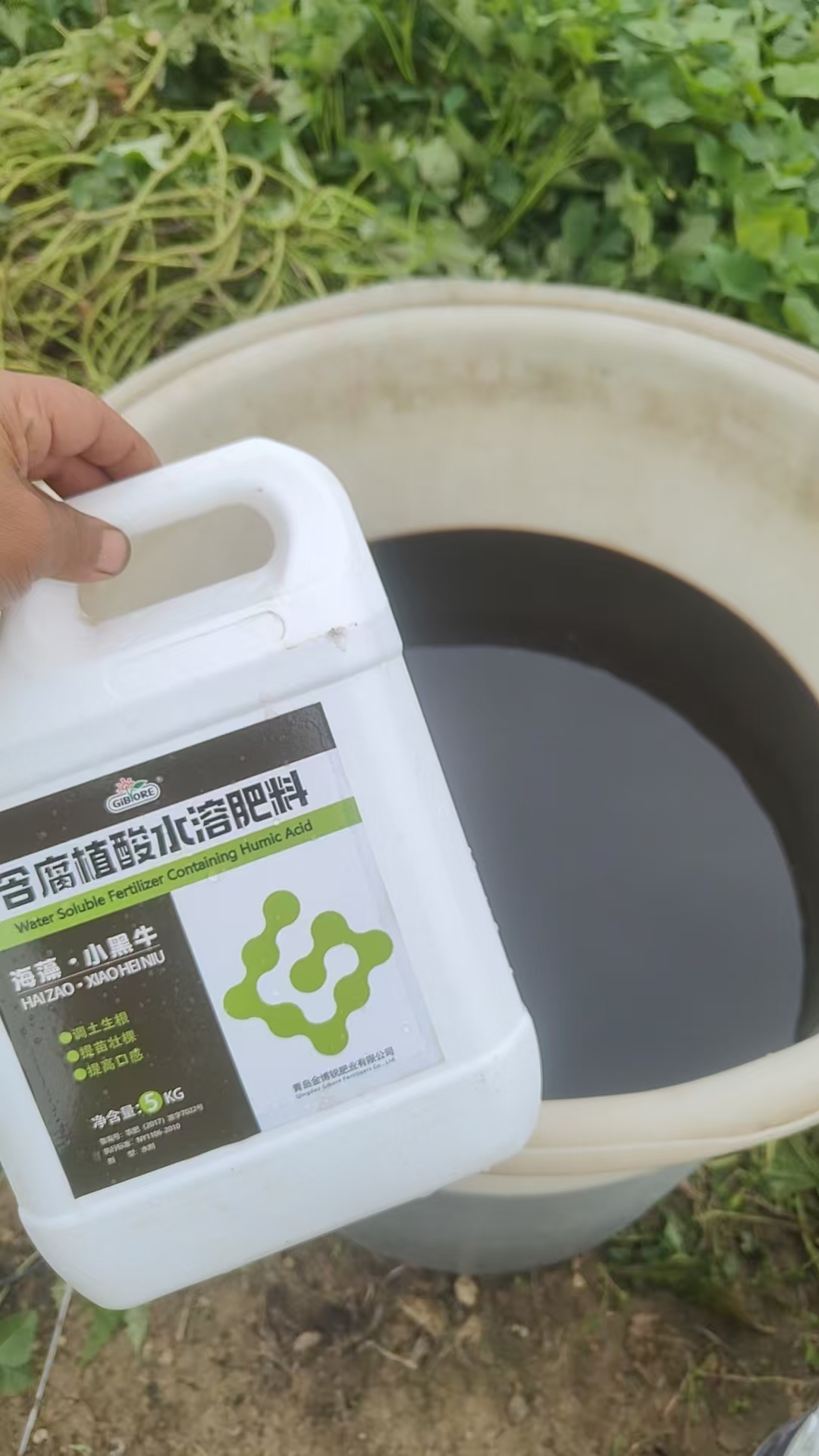
Photos from our partner farms — real results from real growers using GiBORE liquid fertilizer
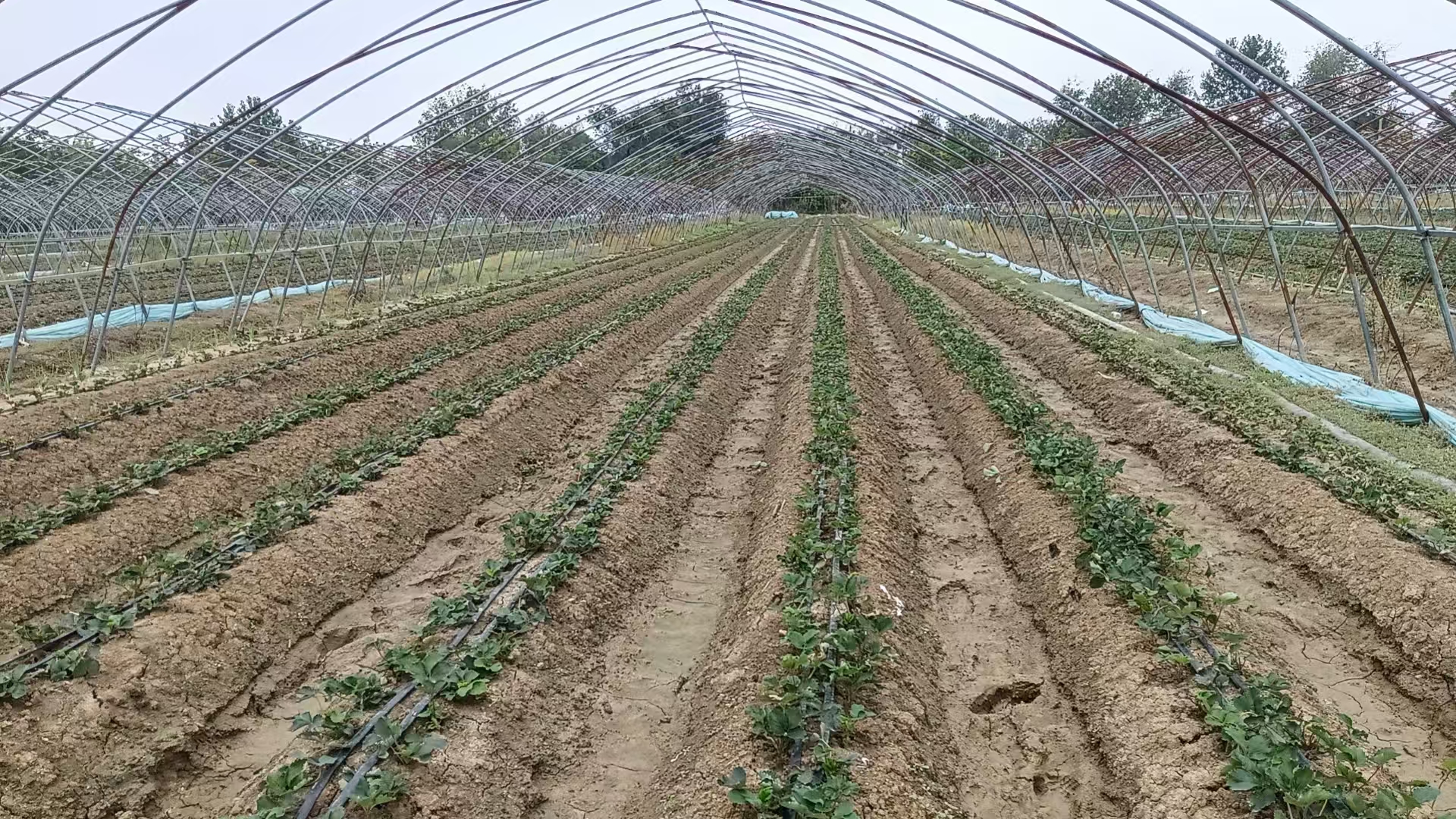
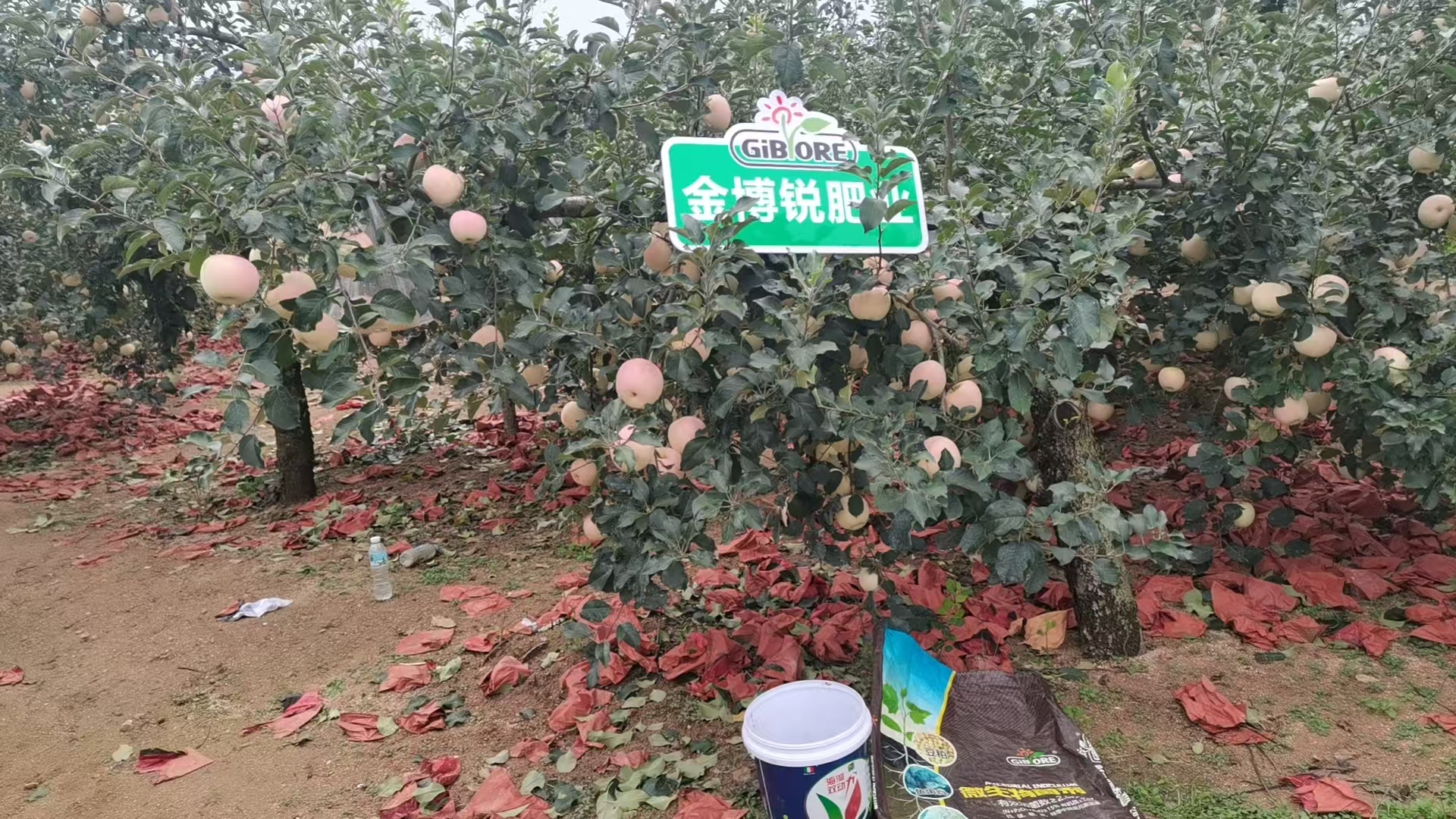
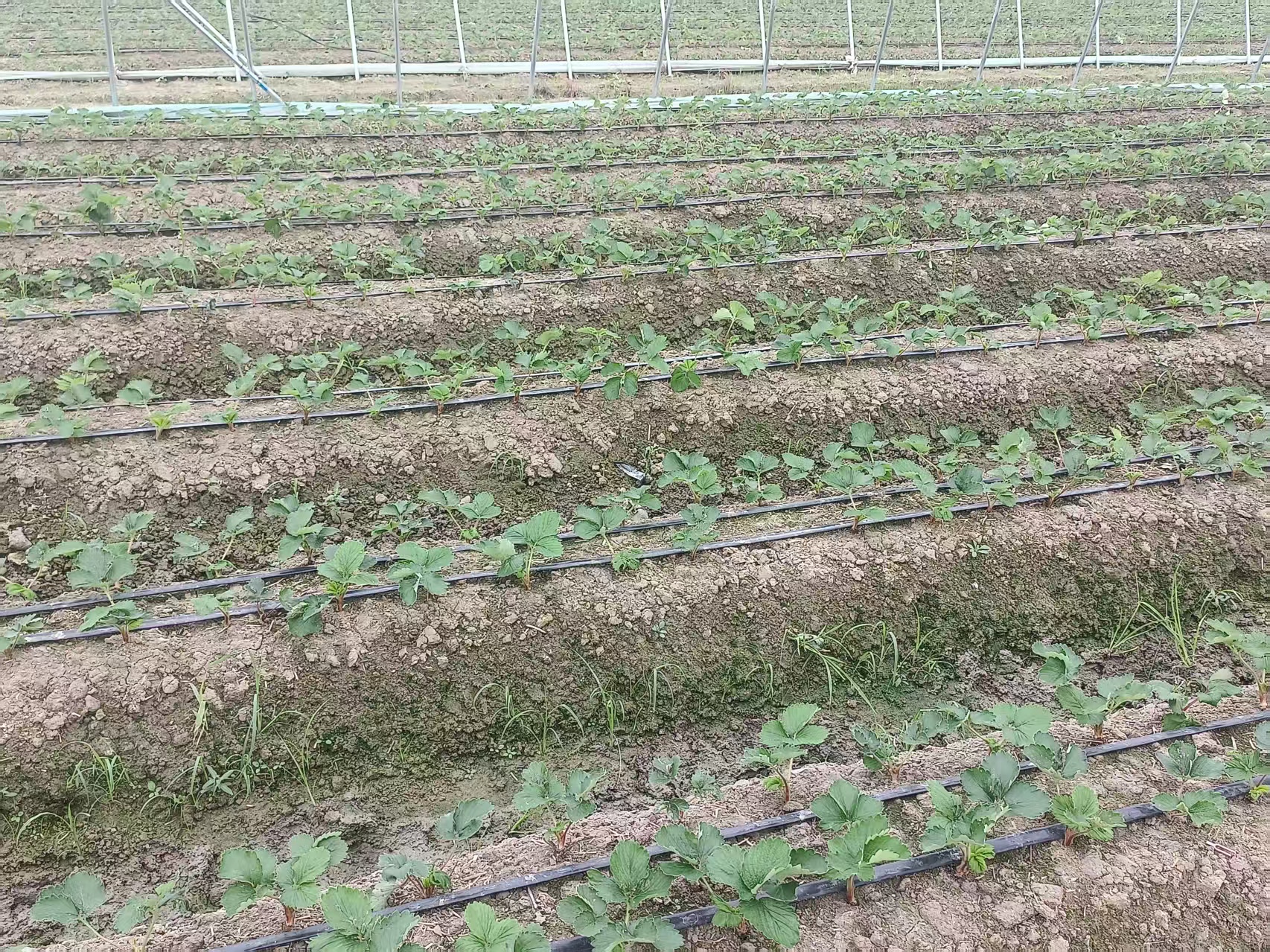
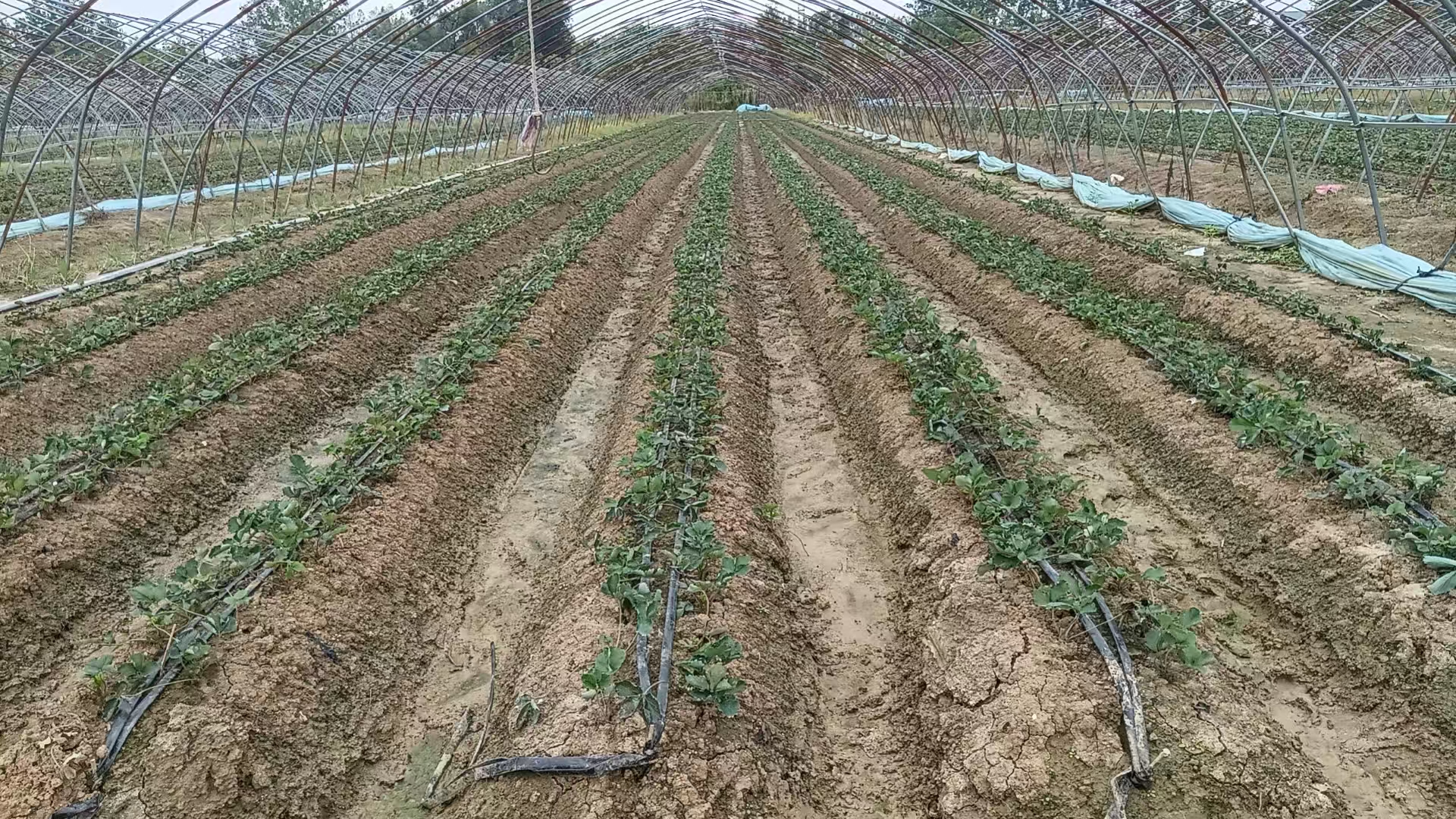
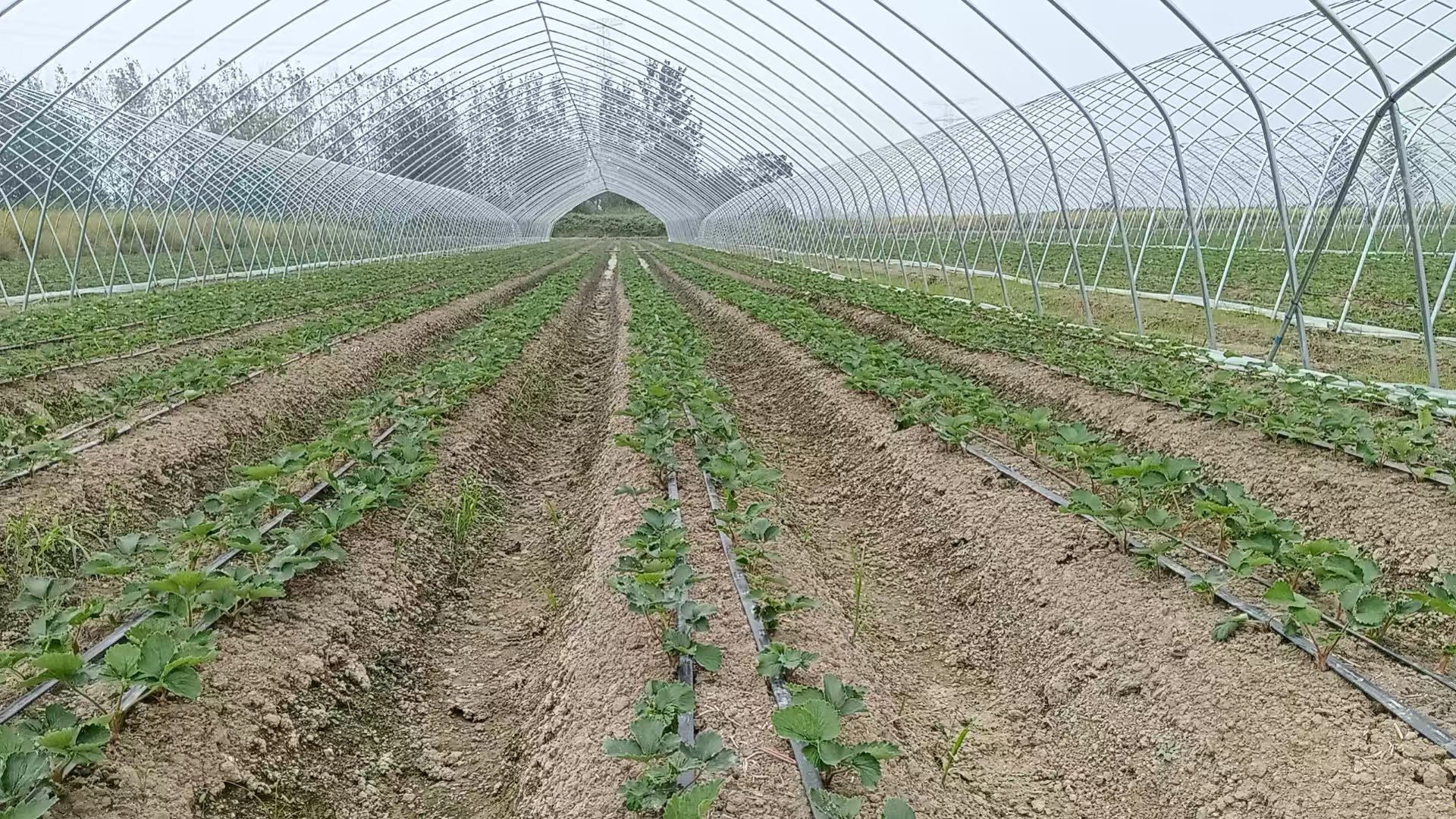
Greenfield Greenhouse Co. — 8 Hectares Under Glass
Shandong Province, China
The Challenge
The operation was using granular NPK broadcast-applied to soil-filled grow bags. They experienced persistent blossom end rot (BER) affecting 15-20% of tomato fruits, frequent drip emitter clogging requiring weekly maintenance, and inconsistent fruit sizing that reduced their premium market grade from 85% to 62%.
The Result
After switching to GreenGrow's greenhouse liquid fertilizer system with calcium-nitrate base and chelated micronutrients, BER incidence dropped to under 2%, drip maintenance was reduced to monthly checks, and premium grade fruit increased to 91%. Total yield per hectare increased by 32% over two growing seasons.
Greenhouse Fertilizer — Common Questions
What is the best fertilizer for greenhouse tomatoes?
Greenhouse tomatoes require a calcium-rich liquid fertilizer program to prevent blossom end rot. The ideal program uses Calcium Nitrate (15.5-0-0 + 26.5% Ca) as the base nitrogen source, combined with a balanced NPK (12-6-40) for potassium during fruit development. Chelated iron and manganese must be included to prevent deficiency at typical greenhouse pH levels (6.0-6.5). GreenGrow's greenhouse tomato formula is pre-balanced for these requirements.
Can I use liquid fertilizer in a hydroponic system?
Yes — liquid fertilizer is the preferred nutrient source for hydroponic systems. GreenGrow's hydroponic-grade liquid fertilizers are 100% water-soluble with no insoluble residues that could cloud the nutrient solution or clog system components. Our formulas are pre-chelated for stability across pH 5.5-7.0 and are compatible with all major hydroponic systems including NFT, DWC, Dutch Bucket, and media-based systems.
How do I calculate fertilizer dosage for my greenhouse?
Start by measuring your irrigation water EC and pH. For most greenhouse crops, target a final nutrient solution EC of 2.0-3.5 mS/cm (fruiting crops) or 1.5-2.5 mS/cm (leafy greens). If your water EC is 0.5 mS/cm, you need to add fertilizer to raise EC by 1.5-3.0 mS/cm. GreenGrow's concentrated liquid fertilizers raise EC by approximately 0.8-1.2 mS/cm per 1 L/1000 L dilution. Contact our agronomists for a custom dosage calculation for your specific crops and water quality.
What causes tip burn in greenhouse lettuce and how can fertilizer help?
Tip burn in greenhouse lettuce is caused by localized calcium deficiency in the youngest leaves, usually triggered by rapid growth outpacing calcium transport rather than low calcium in the nutrient solution. The solution is to ensure adequate calcium in the nutrient solution (target 150-200 ppm Ca), maintain good air circulation to drive transpiration, and avoid excessively high EC levels that reduce water uptake. GreenGrow's calcium-nitrate based formula provides the right calcium-to-nitrogen ratio to minimize tip burn risk.
Products Used in This Program
Get Your Free
Greenhouse Fertilizer Program
Our agronomists will design a complete nutrition program tailored to your farm size, soil type, and climate. Includes dosage schedule, timing, and expected yield improvement. Request a free sample or a full fertilizer plan — no commitment required.